
Deep tech built in-house
Proven on industrial clients
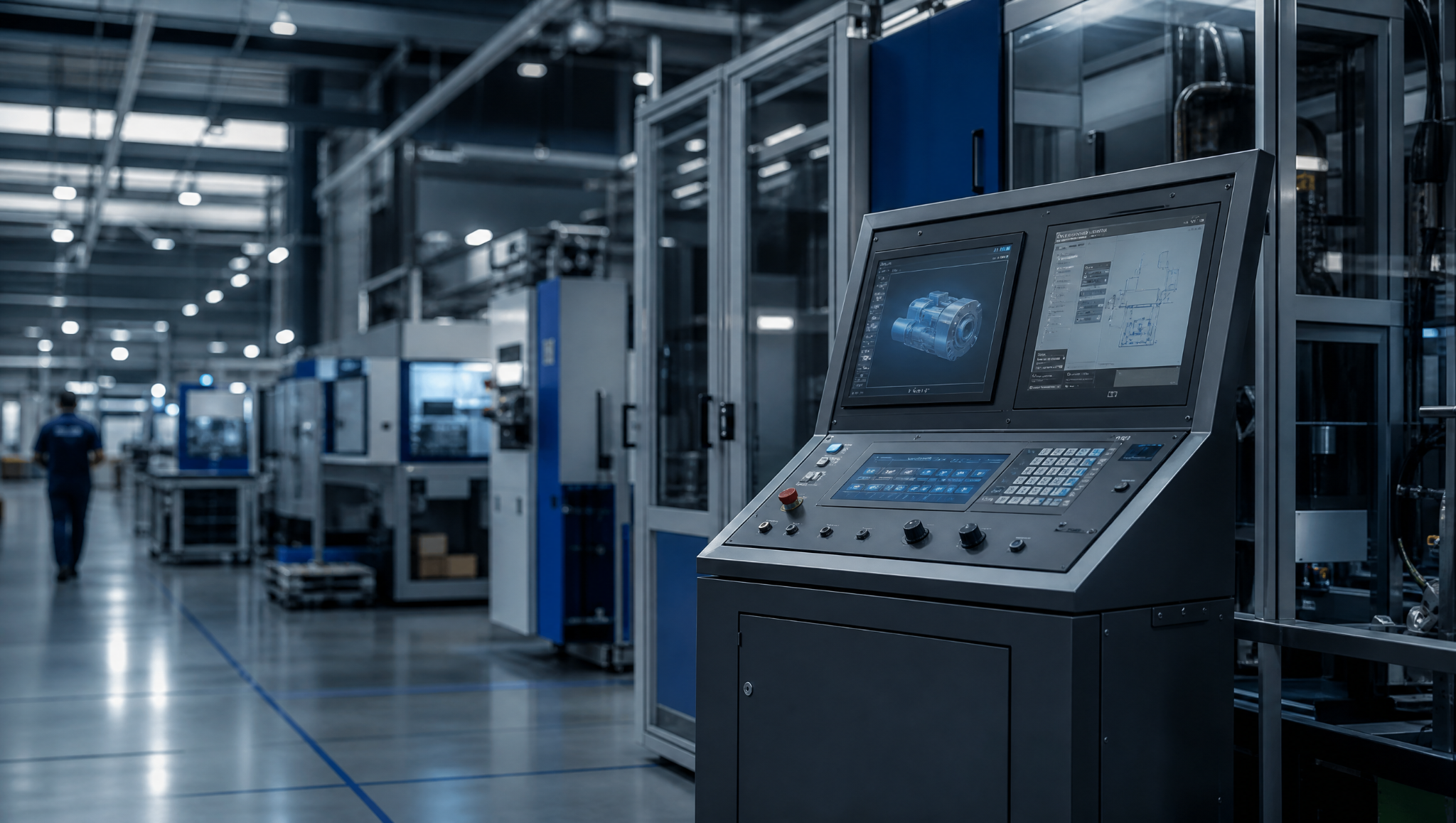
Global Vision Technology researches and builds its own AI technology, from the models to the edge units they run on. Every release runs on the Group's own industrial parks before it reaches a client.
Four layers between the sensor and the decision.
Sensing and intake.
Models.
Orchestration.
Decision and action.
Models, orchestration, and the edge they run on
Models trained on the organization's own data, on open-weight foundations.
Vision models for inspection, prediction models for equipment and process, planning models for logistics and language models for documents, trained on the client's own data for one site or for all of the client's sites at once.
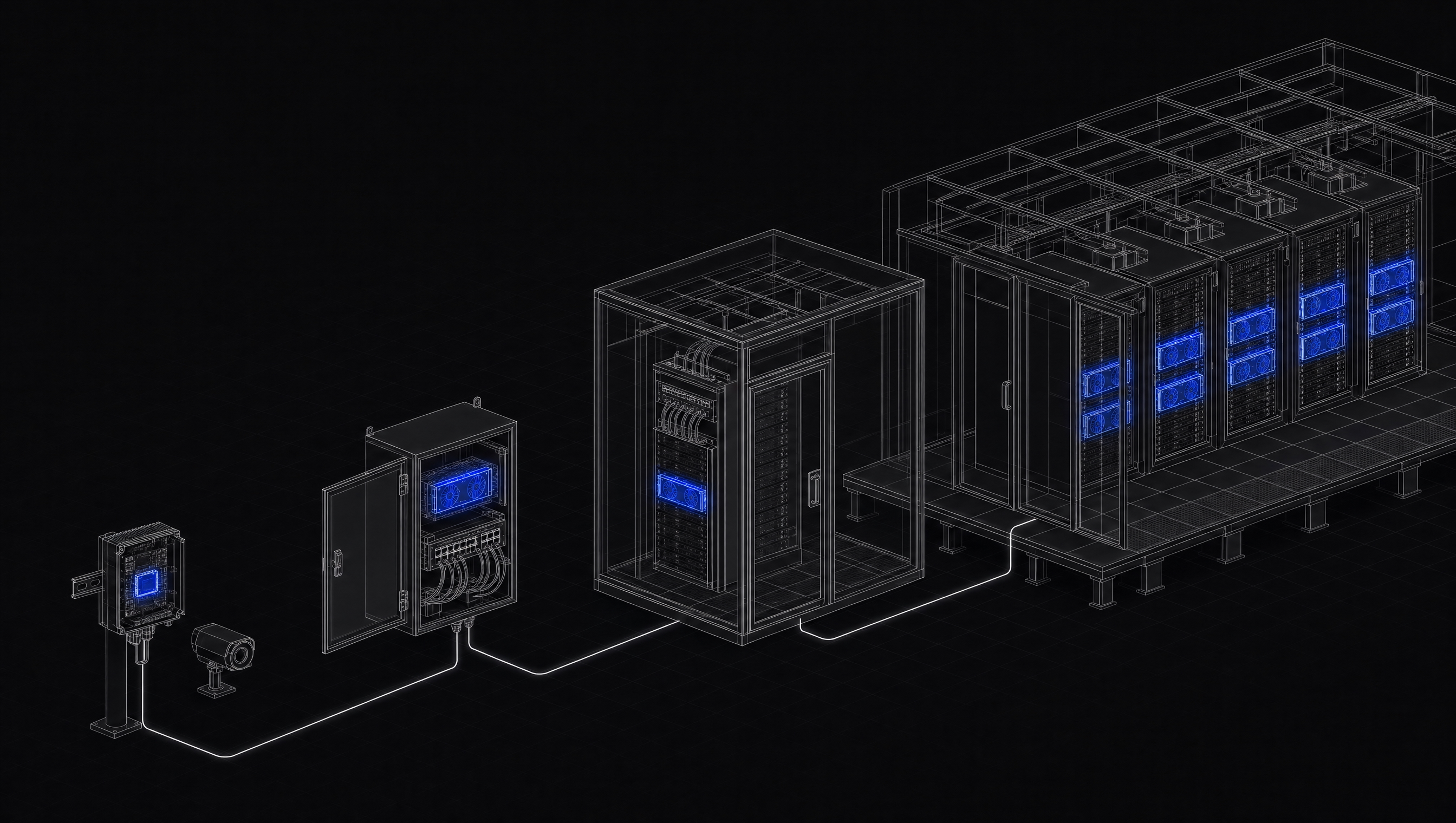
The foundations are open-weight models under permissive licenses, so nothing the models learn leaves the organization and no third party holds a license over the result. Serving runs on NVIDIA Jetson at the machine and RTX GPU nodes on site, on TensorRT, Triton and DeepStream.
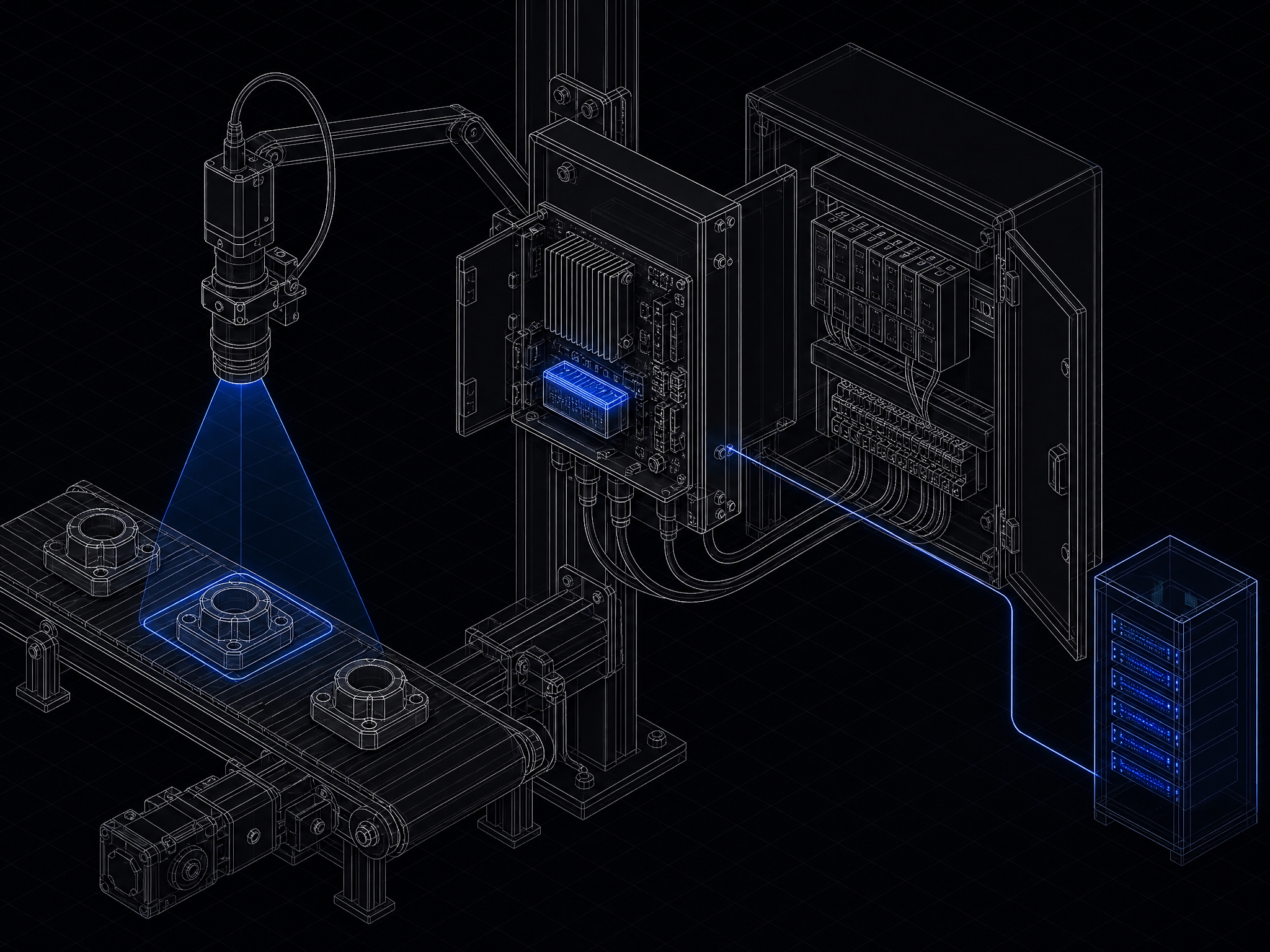
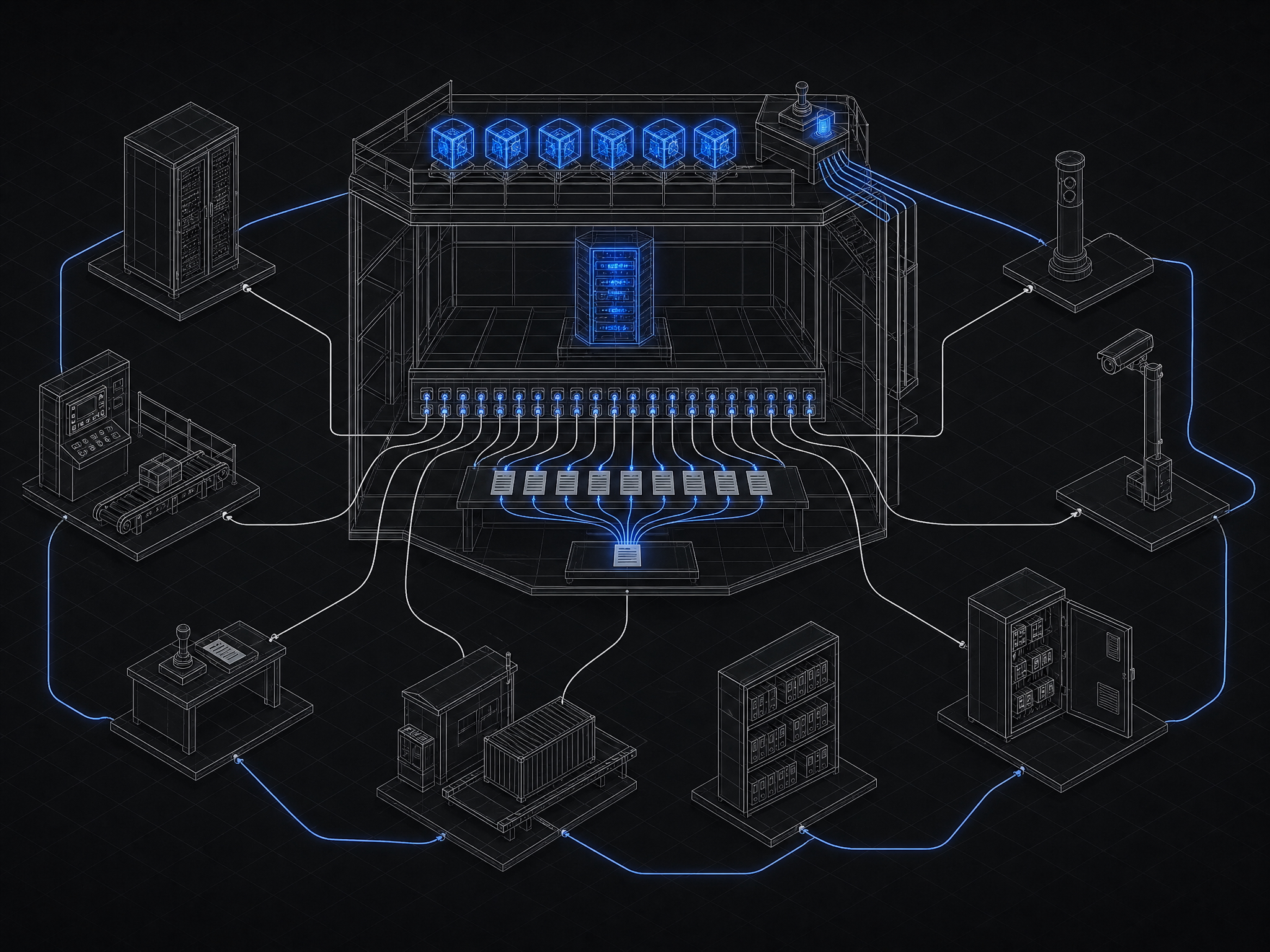
The orchestration layer behind every deployment.
AHEAD Edge is the layer the agents run on. Connectors read the systems already in place, ERP, MES, customs, freight and document stores, over REST, EDI, databases and file drops, and a new system is onboarded with configuration rather than code.
A fusion layer keeps the provenance of every fact, resolves conflicts between sources by reliability and recency, and applies releasability rules per source and per participant. Retrieval over the organization's own documents returns the page an answer came from, and every agent action goes to a person for approval.
Built to keep deciding with the uplink down.
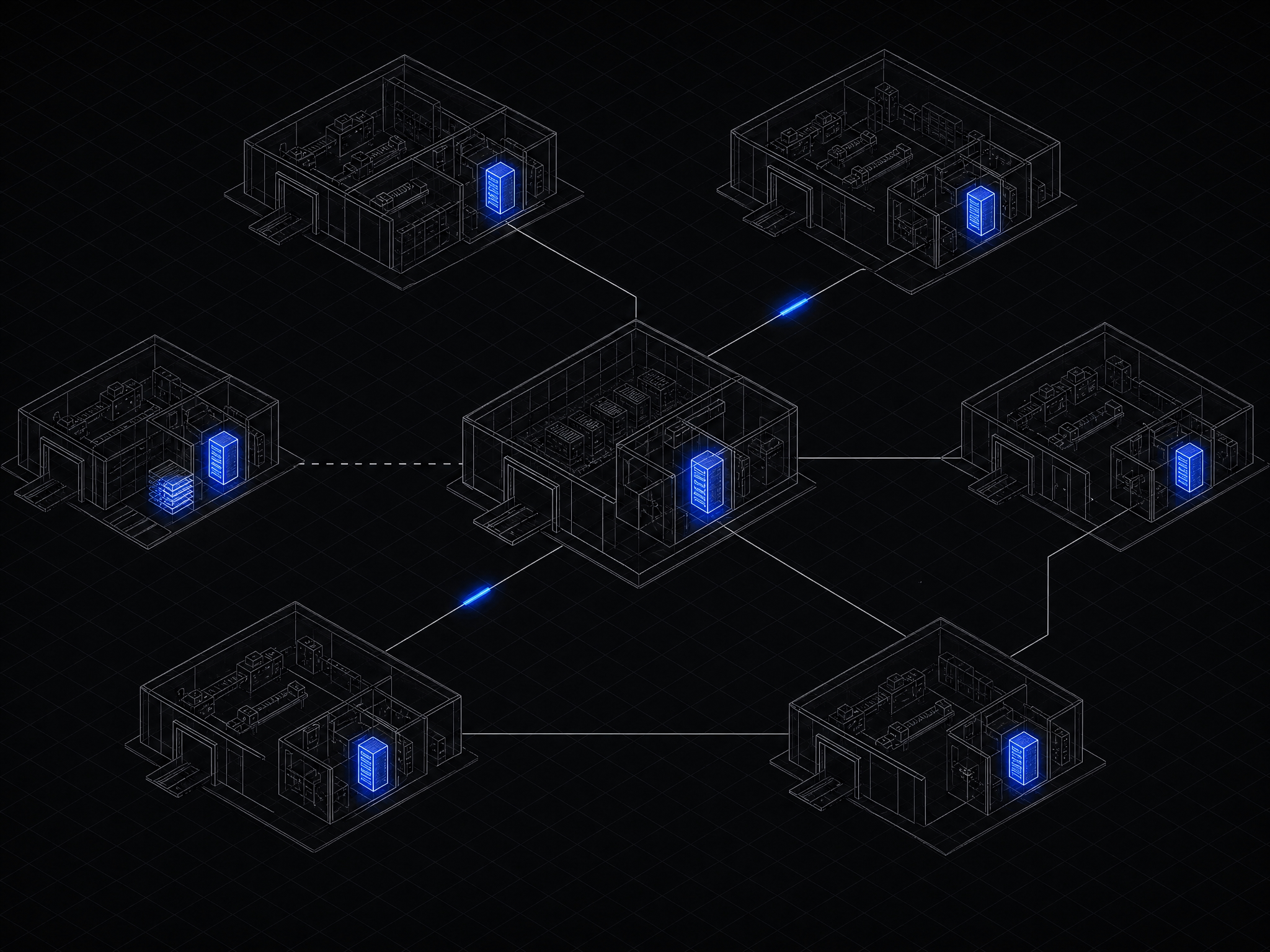
The platform runs on-premise or fully air-gapped. When the uplink drops, each node keeps its own state, keeps deciding at the edge and queues what has to travel, then resynchronizes when the link returns.
Data stays on the organization's hardware and inside the country, encrypted in transit and at rest, with every access logged, and identity is OAuth2 and OIDC on every interface with mutual TLS per source. One stack runs from a single Jetson at a machine to a GPU rack in a data center, one continuum.
Built to run on the client's hardware, by engineers with more than ten years in the field
AHEAD Edge runs on the hardware a client already has: the cameras, PLCs, robots, servers and networks in place, whoever made them. Connectors read them over REST, EDI, databases and file drops, and nothing installed is replaced.
Every new model, connector and release runs on live production workloads and real equipment before it reaches a client, and the figures it is measured on are read from the running system.
The engineers who ship it are the ones who operate it afterwards: an in-house team with more than ten years each in industrial systems, data at scale and edge computing.
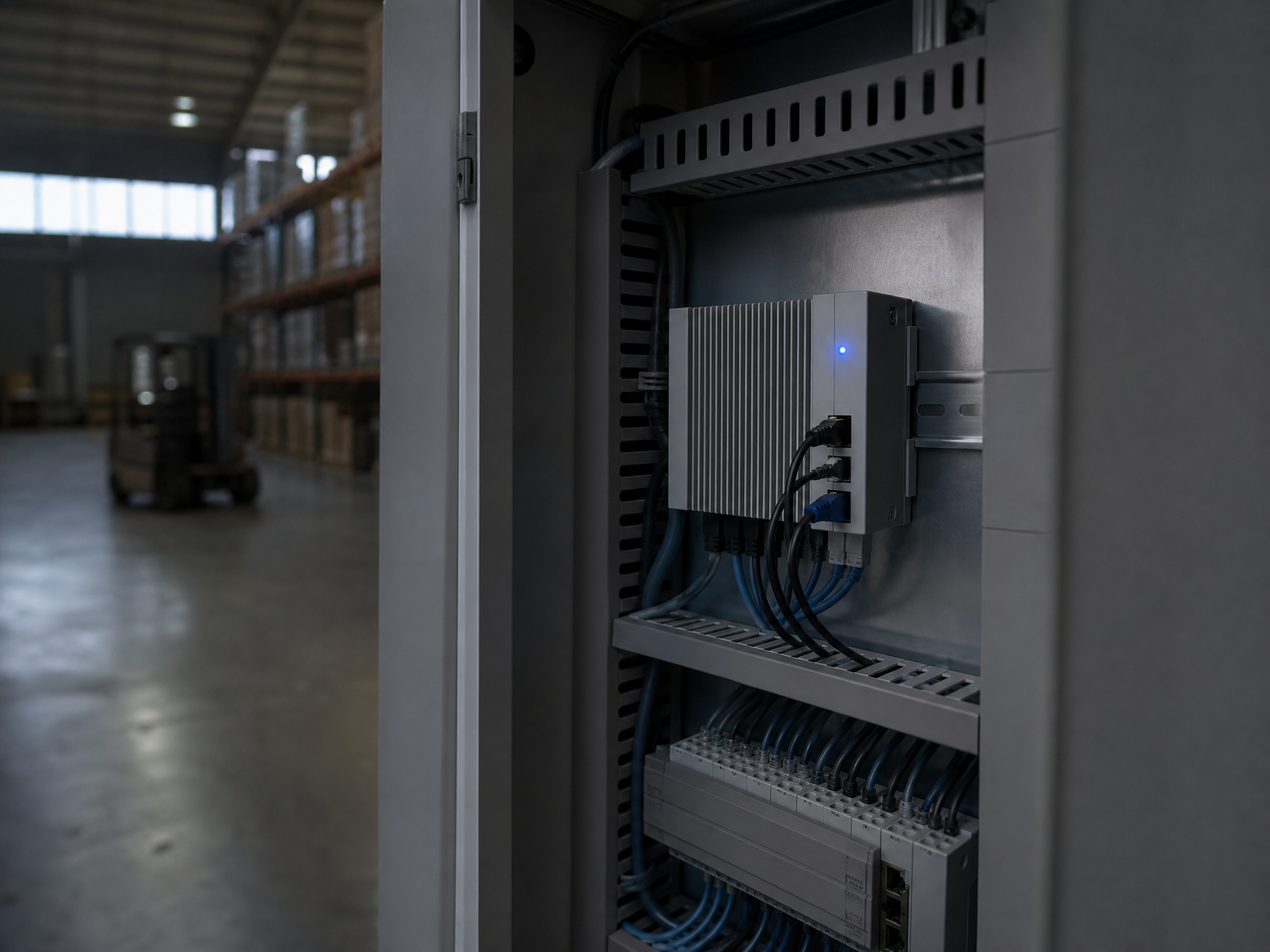
In service at clients, on their own hardware, every day
Four numbers carry the stack, and all four come from deployments in service, on the client's hardware and inside the client's network.
Supply chain deployments for the wood industry trace origin from four continents through to the finished product, and the largest runs on twenty-four edge nodes across six production locations.
A logistics deployment federates three systems that had never talked to each other, an international freight platform, a customs and warehousing system and SAP, into one live picture. Each deployment is described on the Case Studies page.
What a node does when the link drops, and before it acts
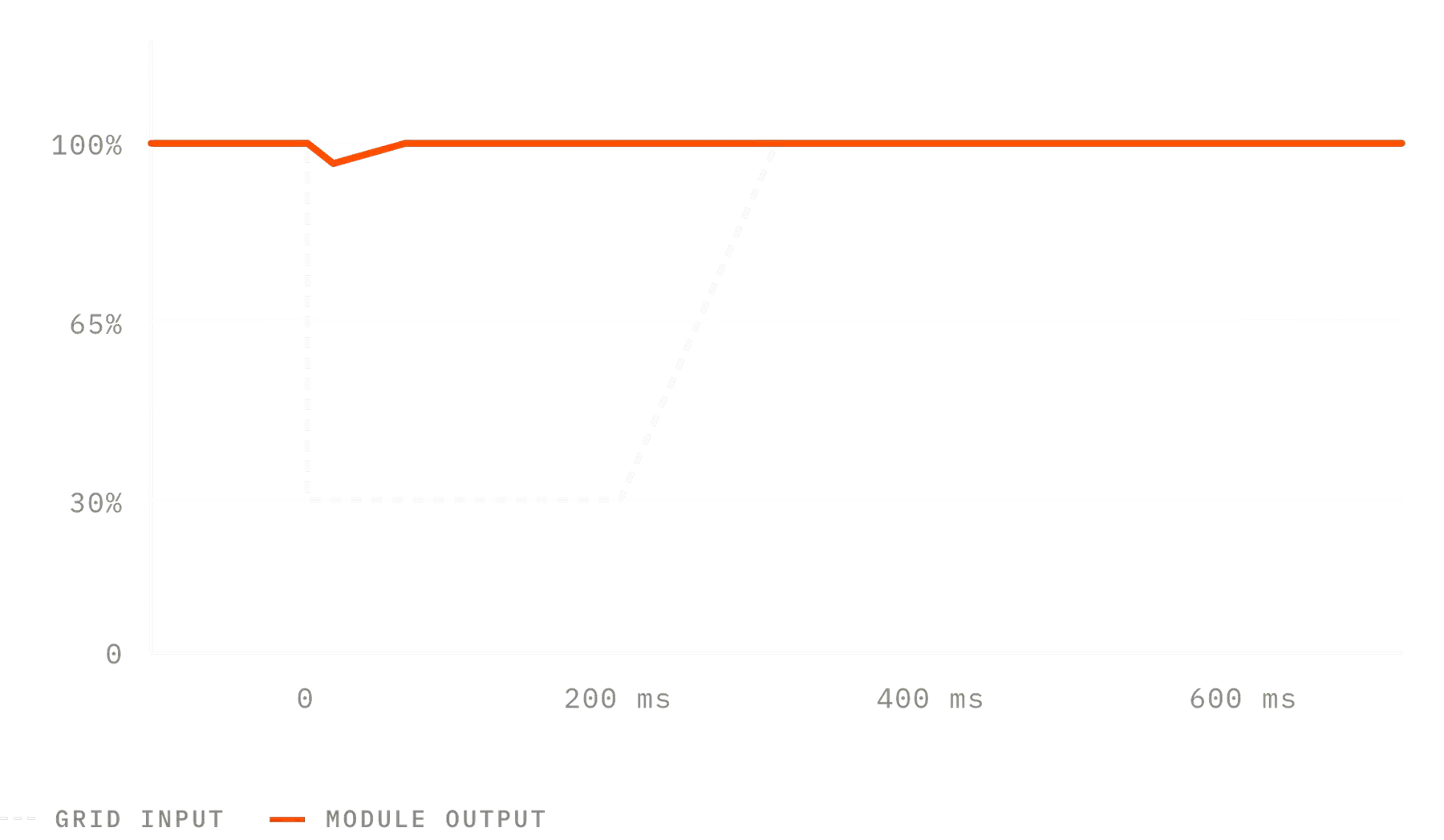
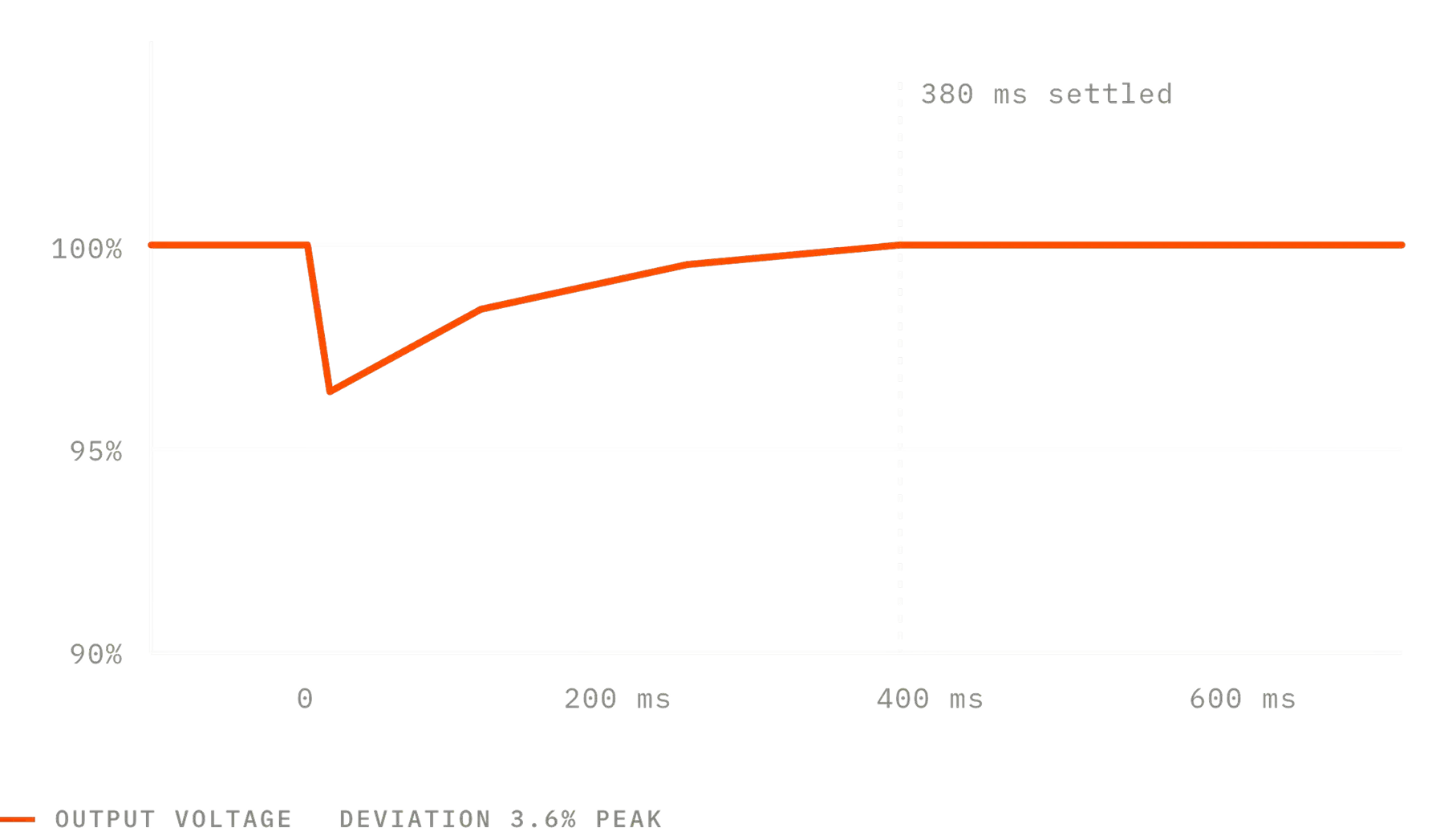
Technical specifications
Figures apply to the current AHEAD Edge release and a standard deployment. Site-specific values are issued with the feasibility study.